Japandi
Japandi virtual staging
Reach for this one when the listing has to look deliberate rather than merely furnished, and the room is not tall or wide enough to carry anything with weight to it.
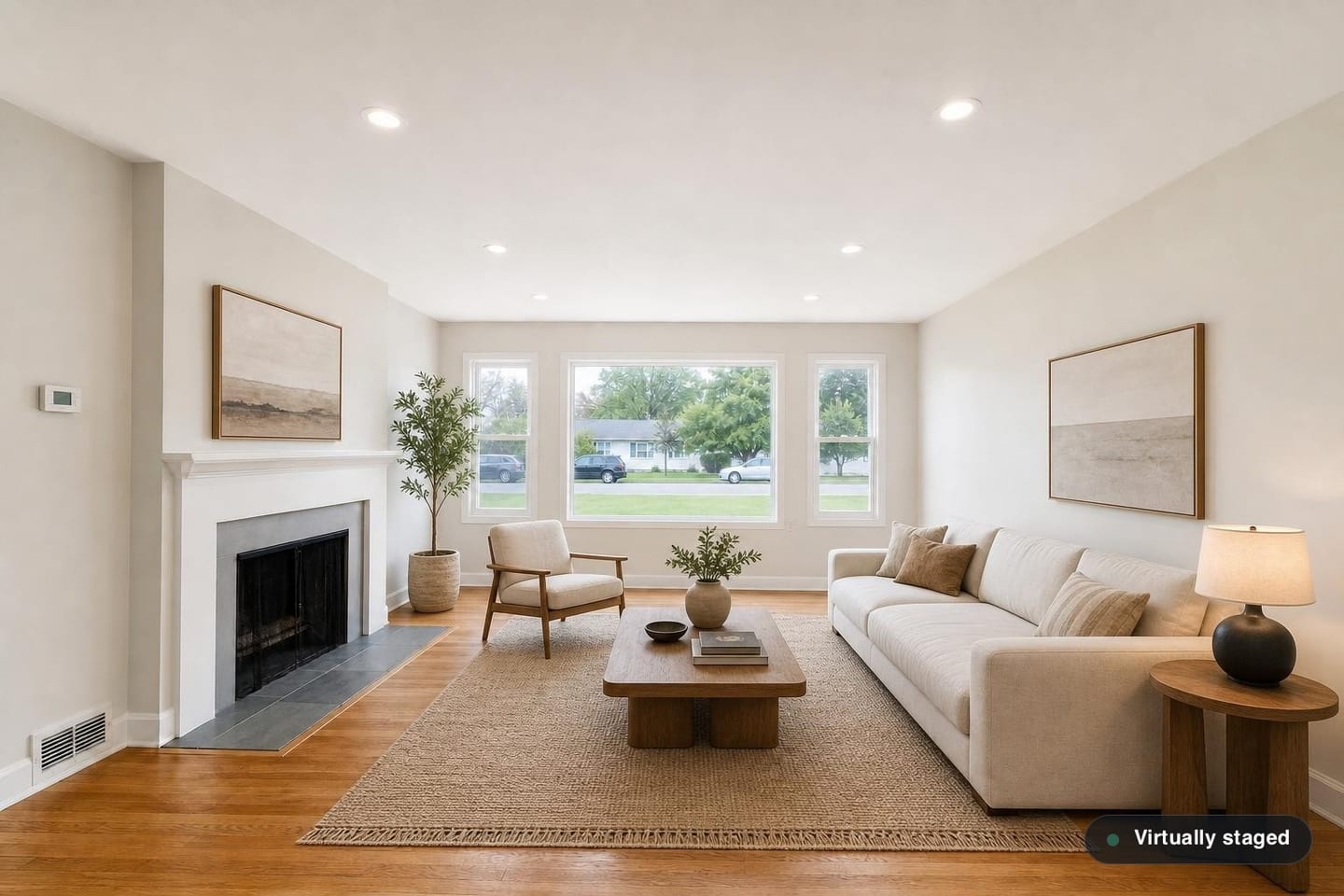
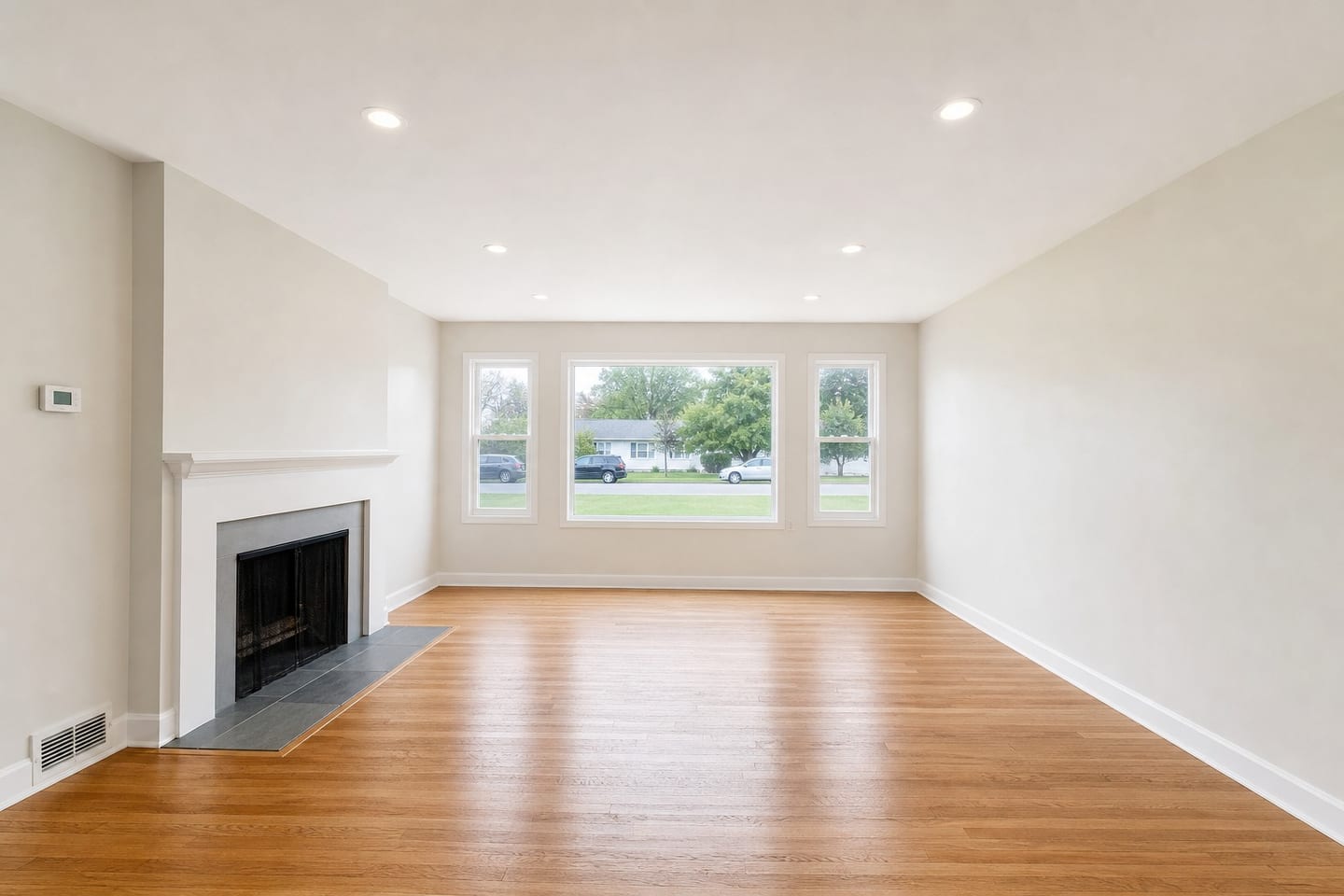 BeforeAfter
Low sightlines are the mechanism
Low-slung seating, warm neutrals cut with something darker, natural materials, and noticeably less of everything. What it buys you in a photograph is a room that looks calm and considered without a single piece demanding attention — useful in a unit where a statement object would simply be in the way.
The height is the practical part. Furniture that sits below sill level leaves the wall and the window visible behind it, so the room keeps the proportions it actually has. In a condo with an eight-foot ceiling, that is the difference between a photograph that reads furnished and one that reads full.
The listings it fits
Mid- and high-rise condos, West Coast and Pacific Northwest modern houses, accessory dwelling units, and primary bedrooms in more or less any stock. It is the strongest bedroom scheme in the set: bedroom light is soft, this palette photographs well in it, and a low platform bed with one nightstand suits a room that cannot take a full suite with a bench at the foot.
It also does something specific in an open plan, where its restraint keeps a living zone and a dining zone from competing for the same photograph.
Where it costs you
In a suburban family house it reads austere. A buyer picturing two kids, a dog and a Christmas tree does not see any of that here, and the listing loses the emotional argument to the house down the street staged in something warmer. Modern Farmhouse is the better answer for that buyer, and it is not close.
It also wants an architecturally tidy room. Where a space has a lot going on — a bumped-out bay, a bulkhead, a return-air grille and a ceiling fan box all in one frame — furniture this quiet leaves the room's own clutter doing the talking.
Where to spend it across a set
Primary bedrooms first. A low bed, one nightstand and a restrained palette is the most reliable photograph this scheme produces, and it suits the dimensions of an ordinary American primary bedroom instead of fighting them.
After that, a condo living area with flat walls and no architectural interest of its own, where the furniture has to supply what the building does not. It also handles a small open-plan living-dining space well, because a scheme this quiet lets two zones coexist without either needing its own look.
Skip it in a bonus room or a finished basement. Those rooms have an identity problem — the buyer does not know what they are for — and a scheme built on restraint is the worst possible tool for telling them.
Japandi questions
- How is this different from Scandinavian?
- Both are light and restrained. Japandi sits lower, runs warmer, and uses darker contrast, so it reads more deliberate and slightly more expensive. Scandinavian is the safer pick; this one is the more memorable.
- Will it look under-furnished in a listing photo?
- In a small room, no — that restraint is the point. In a great room it can, and that is a real risk in US stock. Check the thumbnail, not just the full-size image, because that is what a buyer scrolls past first.
- Is it too niche for a mainstream buyer?
- Less than it used to be, and its quietness means it rarely alienates anyone. If the property is a family house rather than a unit, though, a warmer scheme will almost always convert better.
Try Japandi on your room
One free render. If it comes back too quiet for the listing, restyle it once at no cost.
Stage a room freeGeneral guidance about how furnishing schemes photograph in US housing stock, and about how the software behaves. Not legal advice, and not a statement of what your state commission, your MLS or your broker requires of a listing image — confirm those before a staged photo is published.