Pricing
What virtual staging costs
Virtual staging is usually sold by the photo, which makes it look cheap on one image and expensive across a listing. The number that matters is what a whole set costs, and how that changes when you are marketing four vacant properties a month instead of one.
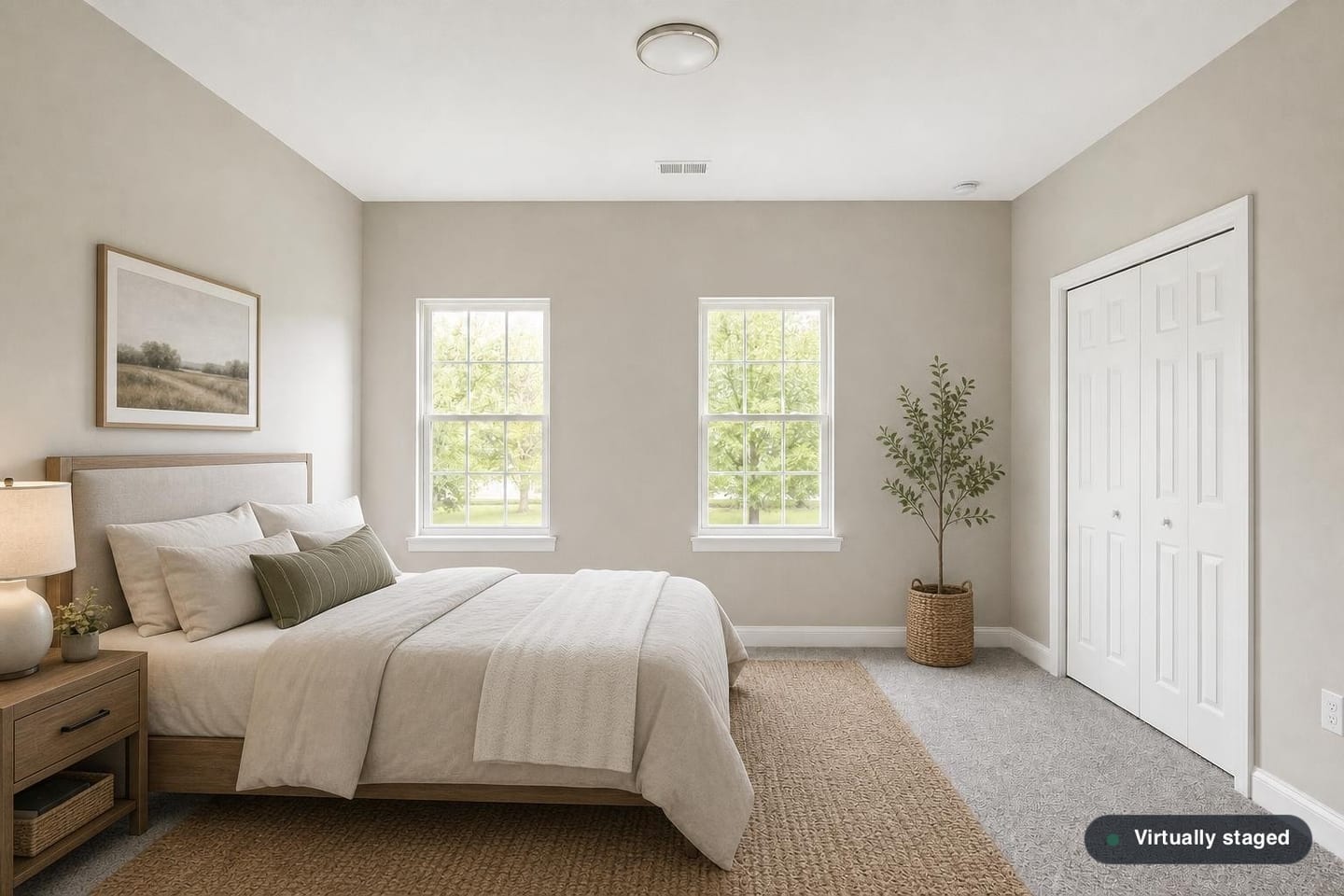
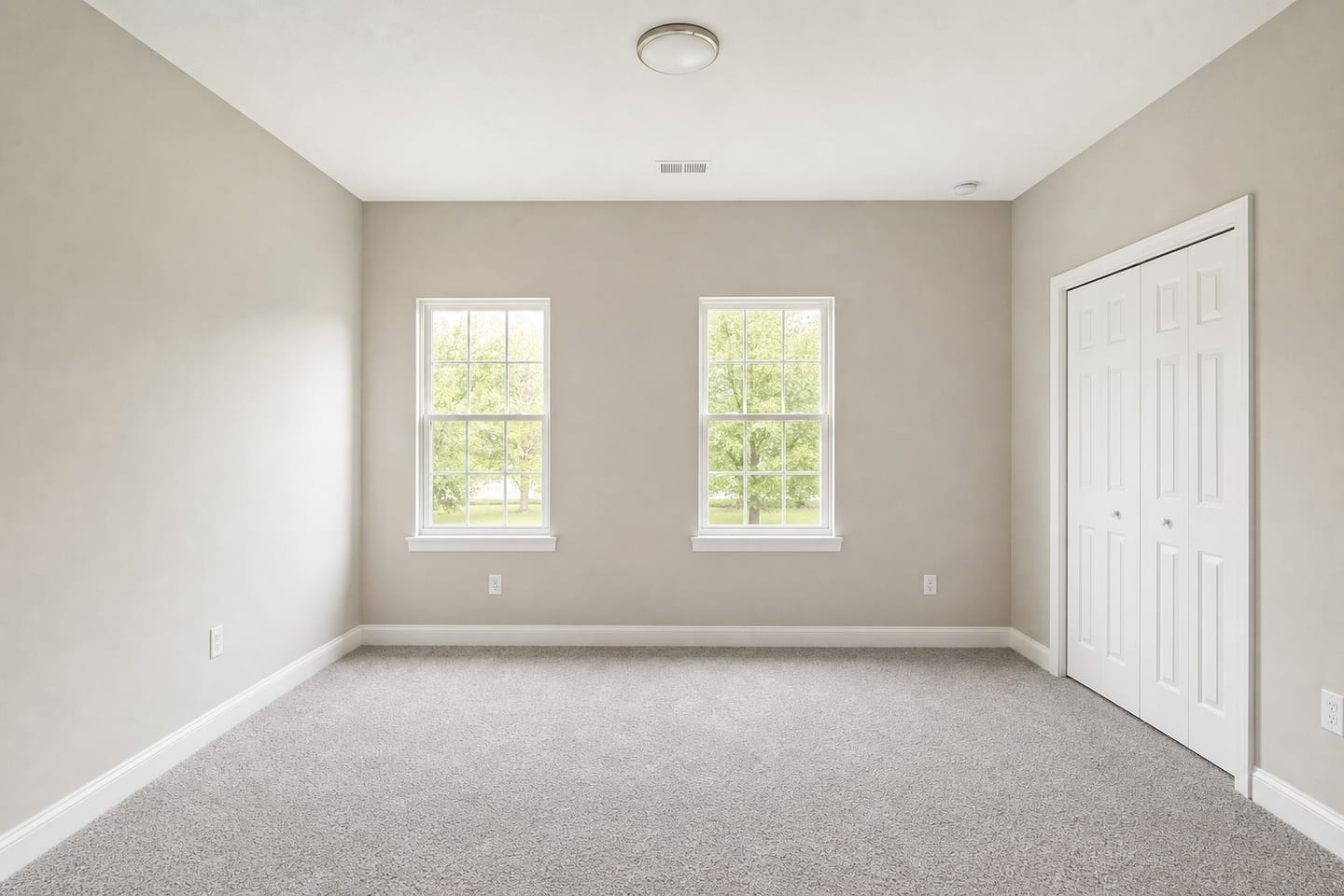 BeforeAfter
What you are actually buying
A physical stage is a project with a crew attached: a walkthrough, an inventory pull, delivery, dressing, a rental period measured in months, and a pickup that has to be scheduled around a closing. It is priced accordingly, and it is quoted per property rather than per photo.
Virtual staging removes all of the logistics and buys you one thing: images. That is a smaller purchase, and it is worth being honest that it is a smaller purchase — a buyer standing in an empty living room is standing in an empty living room. What it changes is the part of the process that happens before anyone gets in the car.
For a lot of vacant listings that is the whole comparison, because a physical stage was never on the table. Relocation inventory, estate sales, a flip carrying two mortgages, a rental turn between tenants — the realistic choice is staged photos or empty photos, not staged photos or a staged house.
What it costs here
A single property is $19, paid once, covering as many as ten images. Divided across a full set that lands at $1.90 an image, and there is no account to keep or cancel afterwards.
Two subscriptions sit above that. Agent runs $49 monthly against a six-property allowance; Office runs $129 monthly against twenty-five, adds two more seats for a team, and unlocks a seller-facing gallery link stripped of our branding. Spread over ten images apiece, those land near $0.82 and $0.52 respectively. Choosing yearly billing takes 40% off, which brings Office down to roughly $0.31 an image.
Regenerating an image never costs anything and never consumes allowance. Treat that as structural rather than as a courtesy — a review step nobody uses is not a control, and it goes unused the moment acting on it has a price tag. Badged files are included too; nothing about the compliance side is a paid extra.
The per-photo math, if you are comparing quotes
Per-photo pricing rewards small orders and punishes complete sets. Ten rooms at a per-image rate is ten times the per-image rate, which is why agents quietly stage three photos and leave the rest of the set empty — and a set where the living room is furnished and the bedrooms are not reads as evasive rather than as economical.
A flat monthly cost changes that arithmetic. The marginal cost of staging the fourth bedroom in a listing you have already opened is zero, so the decision stops being a budget decision and goes back to being a marketing decision.
It cuts the other way at low volume. If you list one vacant property a quarter, a subscription is the wrong shape and the $19 per-listing option is the honest answer. We would rather say that here than have you work it out after two months of paying for quota you did not use.
What comes with a property
Ten images at most, and each one is assigned its own space type and furnishing look — a primary suite and a bonus room over the garage do not want the same treatment, and forcing one aesthetic across a property is how a set starts reading as synthetic.
Delivery is a comparison gallery, shareable with your seller, holding two copies of everything: the marked file and the unmarked one. Download the whole thing as an archive and the disclosure text rides along inside it. Regeneration stays open on any image indefinitely.
Images process concurrently instead of one behind the next, and an email lands with the gallery link once the property finishes. How long that takes depends on the count and on model load on the day, which is why no minutes figure appears here — we would only be able to stand behind an average.
Galleries from properties you paid for stay reachable for a year after creation. That outlasts most marketing periods and covers a property coming back on after a failed contract.
What lands on the statement
Everything above is denominated in USD, and that denomination carries through to the card. No exchange rate gets applied anywhere between this page and your bank — the ladder exists separately in dollars, in pounds and in euros rather than being computed from one of them.
Nothing gets appended at the payment step in any territory; the amount displayed is the amount taken. QuickStaging operates under Germany's § 19 UStG small-business exemption, which is why no German VAT line appears. Whether a US business owes anything of its own on a purchase from an overseas supplier is a question for your own tax authority, and this paragraph is not advice on it.
Worth flagging ahead of time: whichever currency a customer's very first payment settles in is the one Stripe locks them into permanently. So a returning buyer who originally paid in something else keeps being billed that way, and we display that currency back to them rather than advertising a number the checkout would then refuse.
The honest limits
Virtual staging does not repair photography. A dark, over-wide, badly levelled photo of an empty room produces a dark, over-wide, badly levelled photo of a furnished one. Input resolution and framing carry straight through, and the output keeps your original's aspect ratio on purpose.
It also must not repair the house. Worn flooring, a dated kitchen, an awkward bump-out and visible damage stay visible; any render that conceals or changes them is a render to re-roll rather than to upload, and that judgment is yours to make before the photos reach the MLS.
Pricing questions
- Is there a free option?
- One room, staged in full, no credit card — enough to judge the output on a photo from one of your own listings rather than on a sample chosen because it worked. After that it is $19 for a listing, or a plan if you are staging regularly.
- What counts as one listing?
- One property, up to ten photos, each rendered in the room type and style you pick. Re-rolling those photos does not consume another listing.
- What happens if I use up my monthly listings?
- Additional listings are $19 each as a top-up, or you can change plan through the billing portal. Any proration for a plan change is shown by Stripe before you confirm; nothing is charged as a silent overage.
- Do unused listings roll over?
- No — quota resets each billing period. If your vacant-listing volume is lumpy, the $19 per-listing option covers the quiet months without a subscription sitting there.
- Am I billed in dollars?
- Visitors here are priced in USD and settled in USD — what this page shows is what leaves the account. The single exception involves anyone who paid us previously in a different denomination, because that first transaction fixes the customer's currency permanently on Stripe's side; those accounts stay where they started, and we quote accordingly.
- Can I cancel?
- A monthly subscription stops at the end of the term you have already paid for. Yearly ones bill in a single 40%-discounted instalment and keep renewing until you end them. Either way, properties already purchased keep their galleries for the full twelve months.
Try it on a photo you already have
One room, staged free, no card. The output is the argument.
Stage a room freePrices shown are current list prices in USD and may change; the pricing page is authoritative. Third-party staging costs are described in general terms only — we do not publish a market average for physical or per-photo staging, because rates vary widely by metro, property and vendor and we would rather quote nothing than quote something we cannot source.